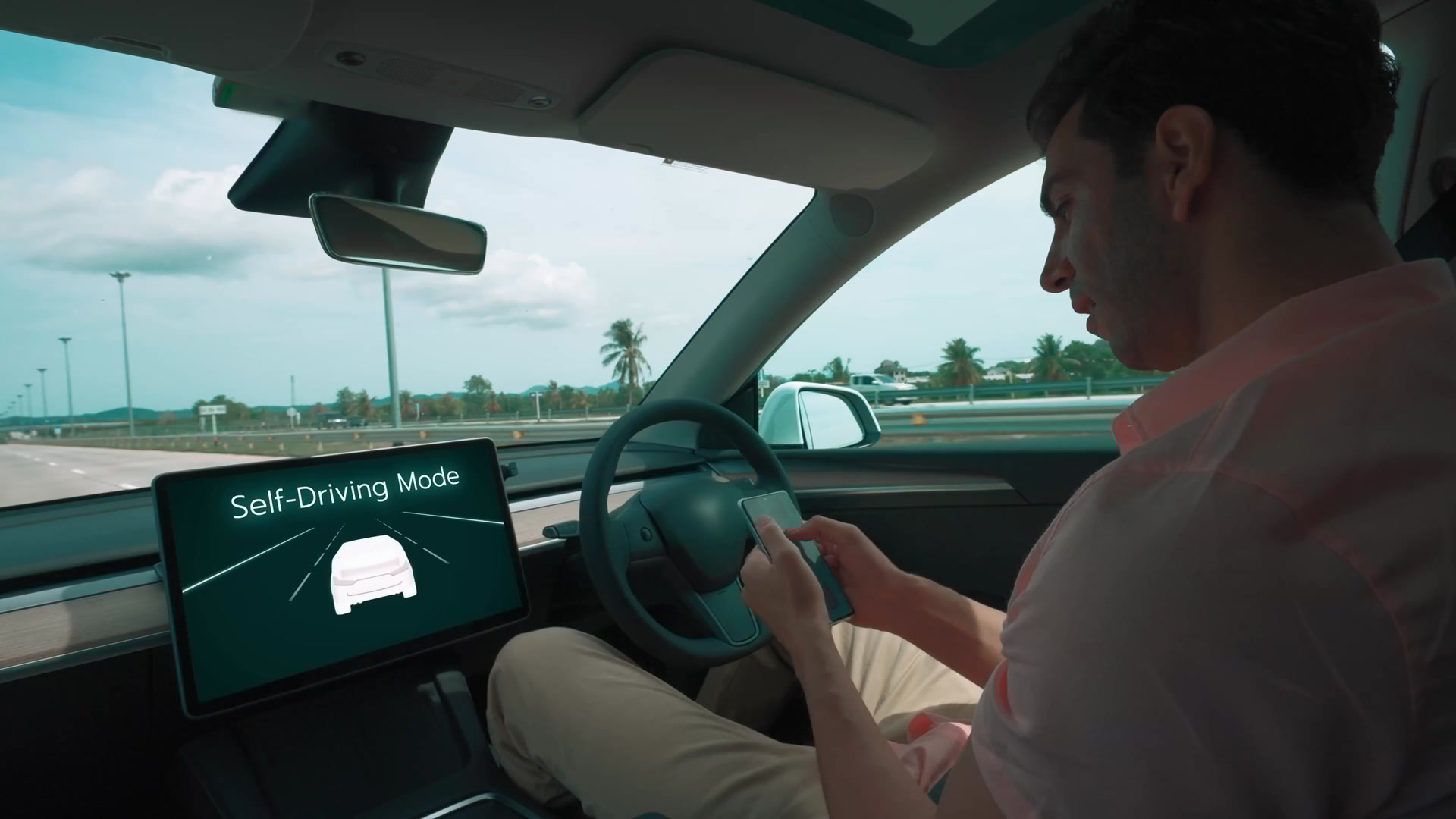
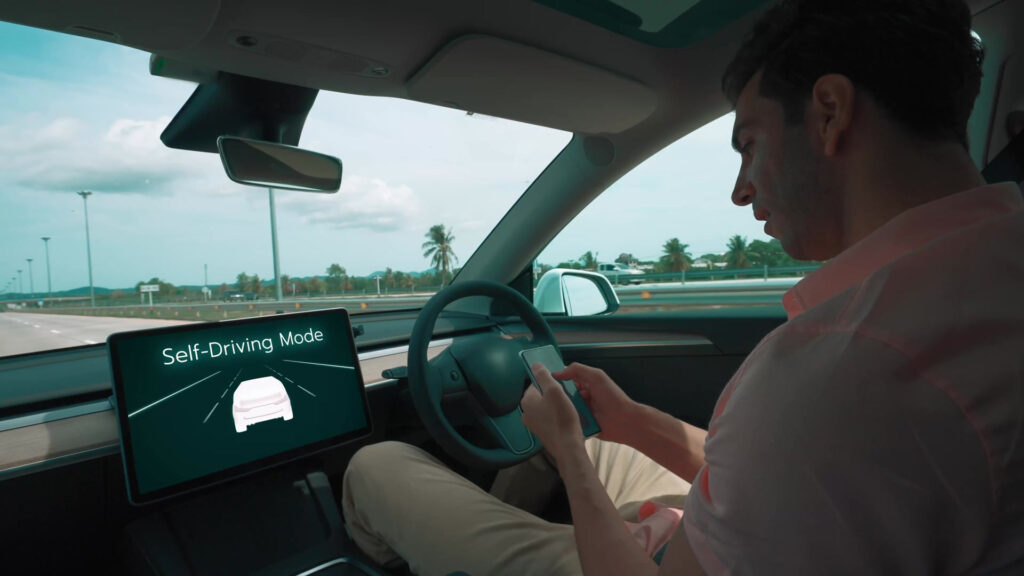
South Korea is moving to establish a formal framework for determining liability and compensation in accidents involving autonomous vehicles, as it prepares for commercial deployment by 2027.
The Ministry of Land, Infrastructure and Transport said it has launched a task force to clarify responsibility in self-driving car accidents and standardize compensation procedures. The group aims to create government-wide guidelines to ensure disputes are resolved swiftly and fairly.
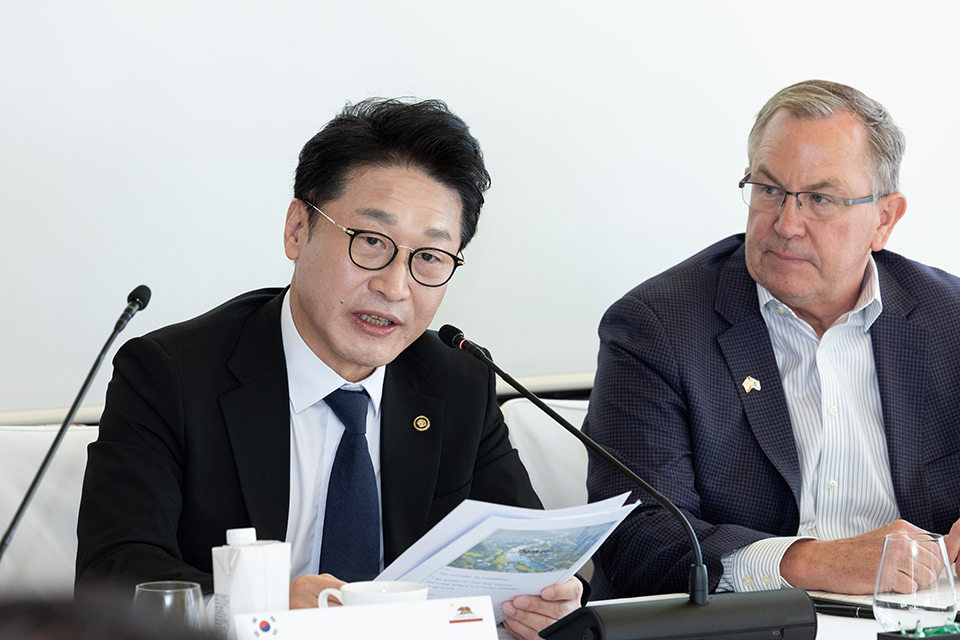
The task force, led by the ministry with support from the Korea Automobile Insurance Management Authority, includes 18 experts from the legal, engineering, insurance and automotive sectors. It will examine a broad range of issues related to autonomous driving.
By year-end, the group plans to draft liability guidelines, support revisions to relevant laws and oversee insurance products in pilot cities. It will classify potential accident scenarios, establish criteria for determining fault and standardize insurance and compensation processes.
The effort is also expected to identify areas for revising existing laws, including the Automobile Damage Compensation Security Act and the Autonomous Vehicle Act, to ensure regulations keep pace with technological advances.
In addition, the task force will review accident-response systems in pilot cities and monitor the operation of insurance products and compensation frameworks. Officials say the goal is to build a victim-centered system that delivers prompt and fair compensation while strengthening public trust in autonomous driving technology.
South Korea revised its compensation law in 2020 to ensure victims are compensated first, with insurers or responsible parties seeking reimbursement afterward. Still, gaps remain in determining liability among multiple stakeholders, including automakers, autonomous driving systems, mobility platforms and cybersecurity providers.
The need for clearer rules is becoming more urgent as real-world testing expands. Under a plan announced in January, about 200 autonomous vehicles are set to begin operating in Gwangju in the second half of this year.
Officials say the task force is designed to address complex liability issues that could emerge as adoption accelerates.
“We will establish an integrated response system linking legal, technological and insurance frameworks,” said Park Jun-hyung, a senior ministry official. “Our goal is to create a safe and reliable autonomous driving environment for everyday use.”