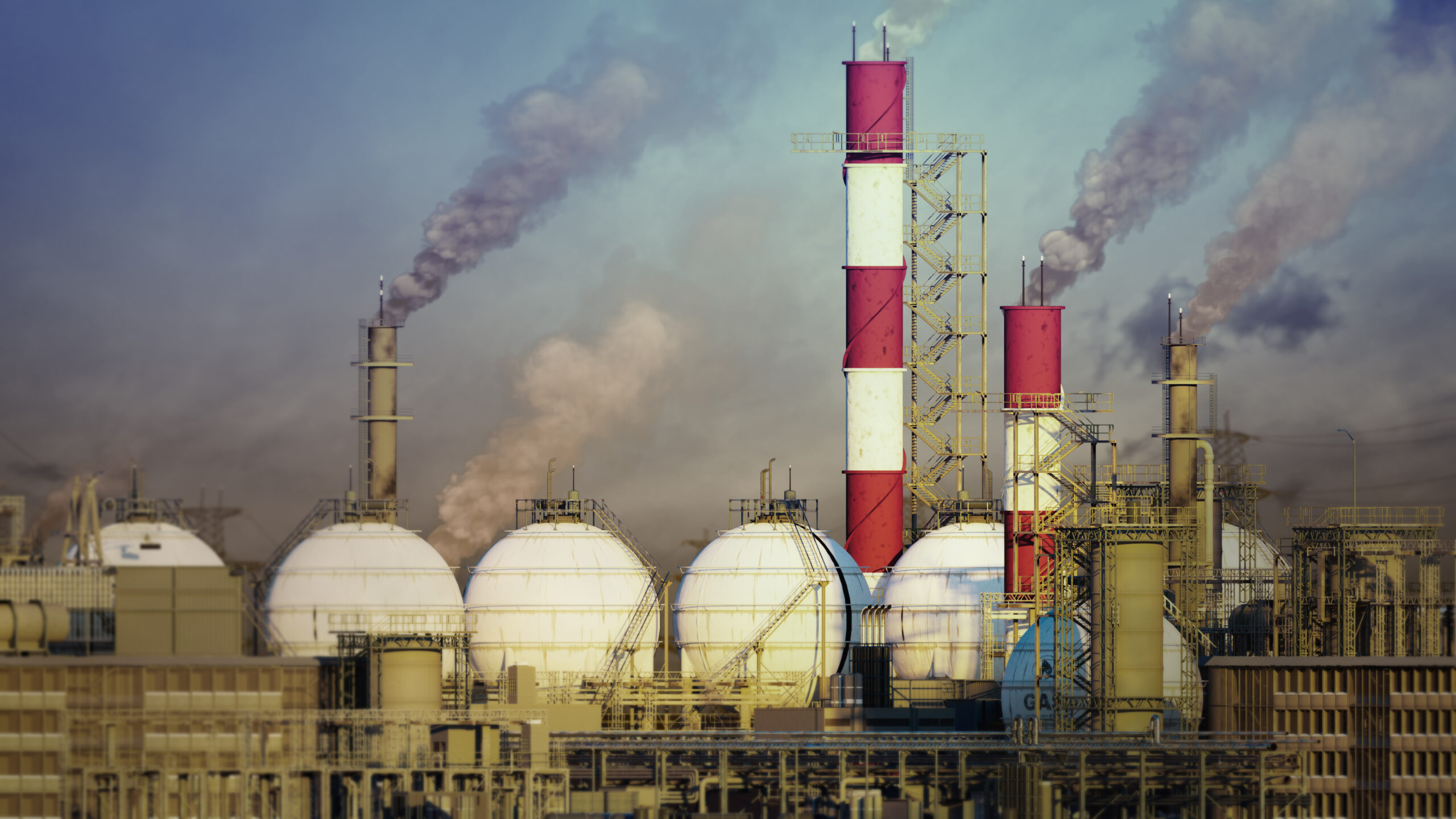
South Korea is tapping Russian naphtha supplies in a bid to ease mounting pressure on its petrochemical sector, highlighting the country’s vulnerability to global energy disruptions and its willingness to seek alternative sources under strained conditions.
The move comes as prolonged instability in the Middle East has tightened global supply chains, raising concerns over feedstock availability for South Korea’s export-driven petrochemical industry. With imports accounting for a large share of domestic demand, disruptions in key shipping routes have amplified the risk of short-term shortages.
Against that backdrop, a South Korean petrochemical company, with government backing, secured a shipment of Russian naphtha delivered to a major industrial complex on the country’s west coast. The cargo represents a small fraction of monthly demand but provides a temporary buffer at a time when inventories are under pressure.
The decision underscores a shift from reliance on traditional suppliers toward more flexible sourcing strategies. For years, South Korea has depended heavily on the Middle East for naphtha, leaving it exposed to geopolitical risks. The latest move signals an effort to diversify supply lines, even as constraints remain.
Importing Russian petroleum products has been fraught with challenges, including sanctions-related risks and difficulties in financial settlement. Recent, limited easing of restrictions by the U.S. has opened a narrow window for transactions, allowing payments in non-dollar currencies under specific conditions.
Still, industry officials caution that such arrangements are unlikely to provide a lasting solution. The temporary nature of sanctions relief and the complexity of logistics mean Russian supply can at best serve as a short-term stopgap rather than a structural alternative.
The episode highlights a broader dilemma facing South Korea: how to secure stable energy inputs in an increasingly fragmented global market. As geopolitical tensions reshape trade flows, the country’s ability to adapt its sourcing strategy will be critical to maintaining industrial output and economic stability.