Japanese home-furnishing retailers are stepping up their push into South Korea, betting that the country’s rapidly growing number of single-person households is reshaping demand for furniture and home goods.
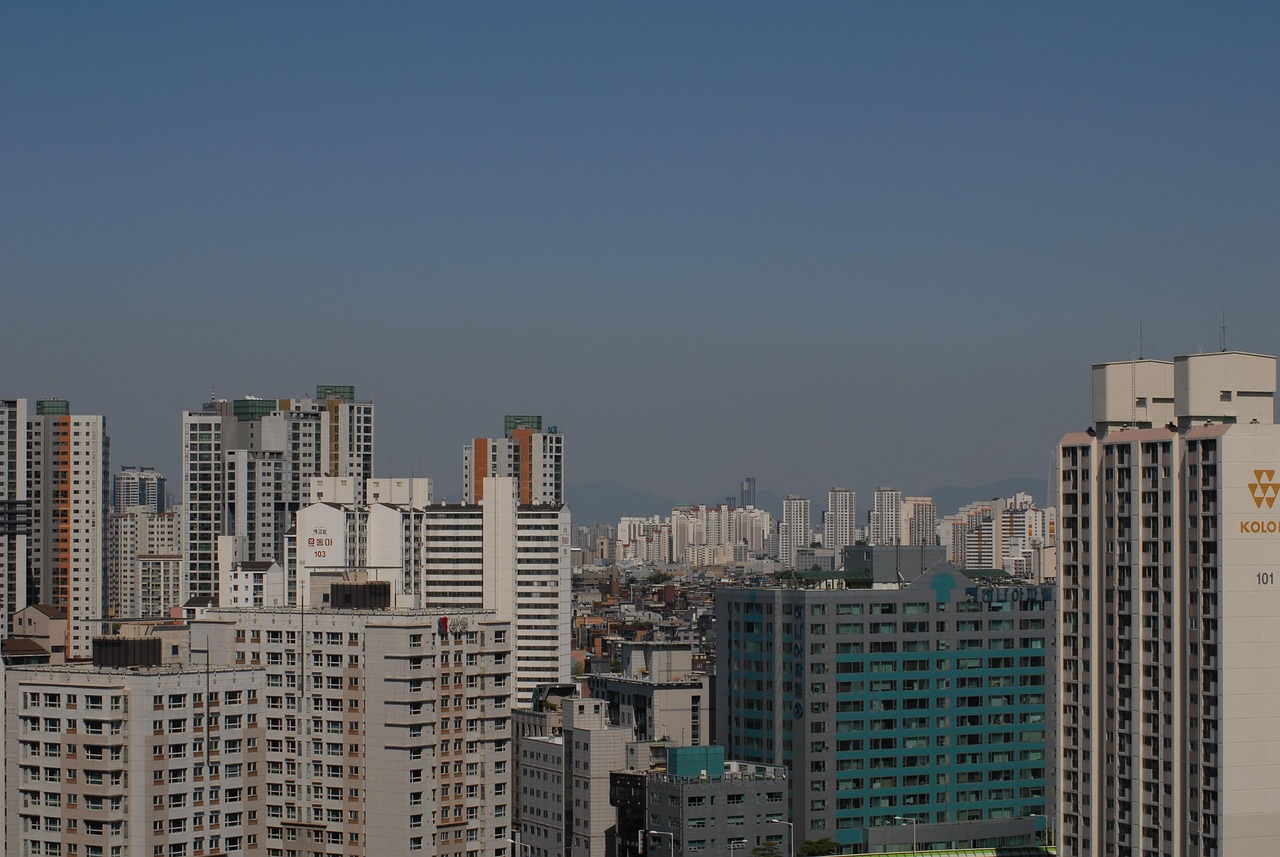
The shift reflects a broader demographic trend. Single-person households now account for a significant and rising share of South Korea’s population, particularly in urban centers such as Seoul, where smaller living spaces are becoming the norm. That change is altering how consumers furnish their homes—favoring compact, multifunctional and affordable products over large, design-heavy pieces.
For Japanese retailers, the trend presents a natural entry point. Companies that built their businesses on standardized, cost-efficient products for everyday living are finding their models well suited to South Korea’s evolving housing landscape.
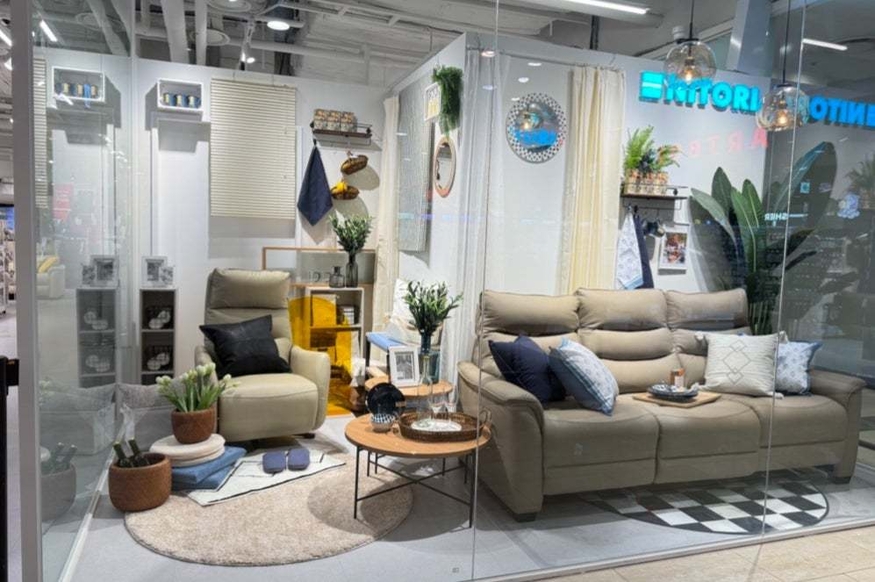
At the center of the push is Nitori, one of Japan’s largest furniture chains, which has been expanding its footprint in South Korea through smaller-format stores embedded in shopping malls and department stores. The approach marks a shift from traditional big-box retail, reflecting the country’s dense urban structure and high reliance on transit-linked commercial hubs.
The strategy aligns with local consumer behavior. South Korean shoppers tend to make frequent, smaller purchases rather than bulk trips, making accessibility and location critical. By partnering with established retail operators, foreign entrants can tap into steady foot traffic without the need for large standalone stores.
Product strategy is also evolving. Retailers are emphasizing space-saving furniture such as foldable tables, modular storage units and compact seating, along with kitchenware and household essentials tailored to smaller living arrangements. Price competitiveness remains a key factor, particularly among younger consumers managing tighter budgets.
The opportunity, however, comes with constraints. South Korea’s home market is already competitive, with domestic players and global brands vying for share in a relatively mature retail environment. Real estate costs and distribution structures can also limit the scalability of large-format expansion.
Still, the demographic tailwind is difficult to ignore. As single-person households continue to rise and urban density increases, demand for practical, affordable home solutions is expected to grow.
For Japanese retailers, success in South Korea may hinge less on scale than on how precisely they can align store formats, product offerings and pricing with the realities of compact urban living.