South Korea, long mired in one of the world’s steepest fertility declines, is showing early signs of a rebound in births—offering a rare note of optimism for a country grappling with a deepening demographic crisis.
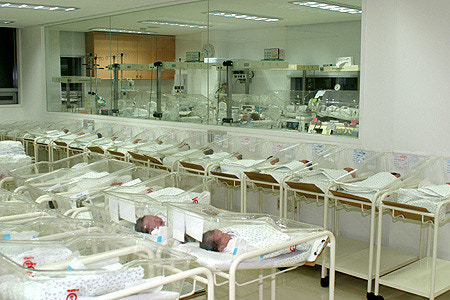
The country recorded about 26,900 births in January, the highest figure for the month in seven years, according to government data. The increase of 11.7% from a year earlier marks a second consecutive month of double-digit growth, breaking from nearly a decade of persistent declines.
The improvement, while modest in absolute terms, is significant in context. South Korea’s birth rate has fallen to among the lowest globally, raising concerns about long-term economic growth, labor supply and fiscal sustainability.
Much of the recent uptick has been driven by women in their 30s, alongside a recovery in marriages—widely viewed as a leading indicator for future births. The total fertility rate rose to 0.99 in January, approaching the symbolic 1.0 threshold and reaching its highest level for the month since records began.
Births increased across all age groups, with the strongest gains among women aged 30 to 39. First-born children accounted for a slightly larger share of total births, suggesting a tentative normalization in family formation patterns.
Marriage data reinforce the trend. About 22,600 couples tied the knot in January, up 12.4% from a year earlier and the highest level for the month since 2018. The rebound in marriages is seen as a critical factor underpinning the recent rise in births.
At the same time, the number of deaths declined sharply, narrowing the country’s natural population decrease. Some regions, including Seoul and Incheon, even recorded natural population growth for the month.
Still, analysts caution against reading too much into a short-term shift. Structural factors—ranging from high housing costs and job insecurity to changing social norms—continue to weigh heavily on family formation and fertility decisions.
For now, the latest figures offer a rare break from a prolonged downward trend, hinting that South Korea’s demographic trajectory, while still challenging, may not be entirely one-directional.