Hyundai Motor held onto second place in Vietnam’s auto market last year, but the South Korean carmaker is losing ground to Toyota as a widening sales gap underscores a shift in a market once defined by a tight two-horse race.
Hyundai sold 53,229 vehicles in Vietnam in 2025, according to the Vietnam Automobile Manufacturers Association, a 20.8% decline from a year earlier. Toyota, including its Lexus brand, sold 74,206 vehicles, up 8.9%, expanding the gap between the two automakers to 20,977 units. As recently as 2024, fewer than 1,000 vehicles separated them.
For much of the past decade, Hyundai and Toyota regularly traded the top spot in Vietnam’s sales rankings, often by narrow margins. Last year’s results marked a clear break from that pattern, leaving Hyundai firmly in second place and no longer within immediate reach of the market leader.
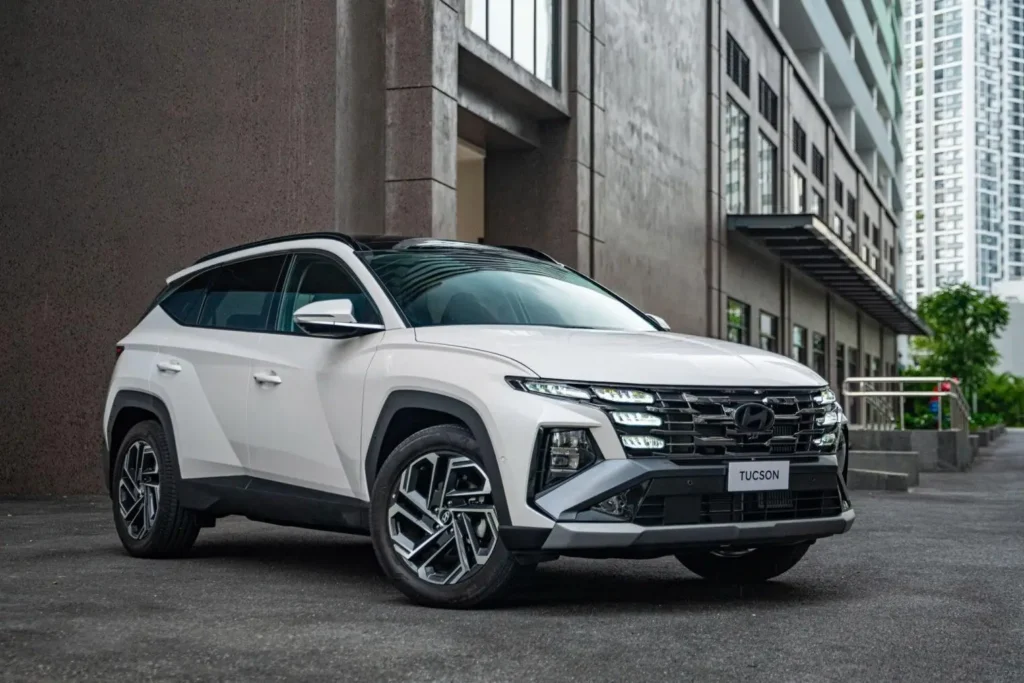
Hyundai’s performance was supported by its sport-utility vehicle lineup. The Tucson emerged as the brand’s best-selling model with 9,243 units sold, a 39.1% increase from the previous year, while sales of the Creta edged up to 9,046 units. Additional volume came from models including the Accent, Grand i10, Stargazer and Santa Fe. Commercial-vehicle sales rose 24% to 12,882 units, helping offset declines in passenger cars.
Toyota’s growing lead reflects demand spread more evenly across its lineup. The Yaris Cross topped Vietnam’s market with 13,932 units sold, followed by the Vios, Veloz Cross, Corolla Cross and Innova Cross, giving Toyota a balanced mix across price points and vehicle segments.
Pressure on Hyundai is also building from below. Ford sold 50,450 vehicles in Vietnam last year, up 19.6%, narrowing the gap with Hyundai to 2,779 units and intensifying competition for the No. 2 position. Mitsubishi, Mazda, Honda and Kia followed, contributing to a crowded market where competition is tightening.
Hyundai’s position in Vietnam is underpinned by its long-standing partnership with Thanh Cong Group, which has evolved from exclusive distribution into local manufacturing. The joint venture operates two plants with combined annual capacity exceeding 180,000 vehicles, making Vietnam a central pillar of Hyundai’s Southeast Asian strategy.
The automaker is now seeking to stabilize sales through aggressive incentives, including extended warranties, steep discounts and low-interest financing, as overall demand recovers. Vehicle sales in Vietnam rose 10.5% last year to 375,736 units, raising the stakes for Hyundai as it works to defend its standing in one of Southeast Asia’s fastest-growing auto markets.