A South Korean celebrity chef who rose to national prominence through the cooking competition Culinary Class Wars 2 is facing mounting public backlash after admitting to three drunk-driving convictions over the past decade, triggering a sharp loss of followers and renewed scrutiny of his media career.
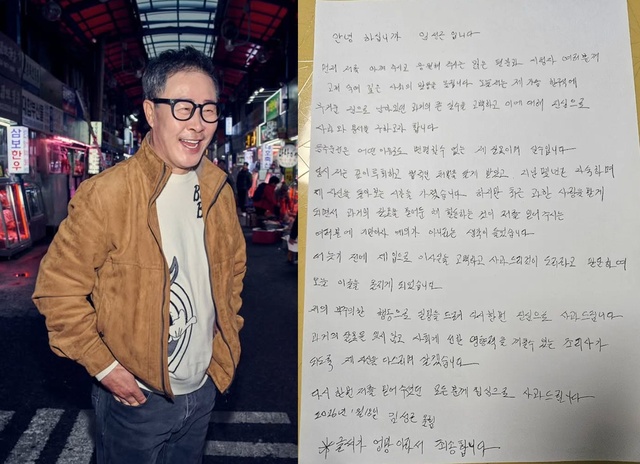
Lim Sung-geun disclosed the offenses in a video posted Jan. 18 on his YouTube channel, ImJjang TV. He acknowledged that his repeated violations—including one as recently as five to six years ago—stemmed from his long-standing fondness for alcohol. He said the convictions led to criminal penalties and the revocation of his driver’s license, which was later reinstated after the legally mandated suspension period.
“I didn’t want to hide this,” Mr. Lim said in the video. “If it were to surface later, it would hurt people even more. I won’t make excuses for what I did.”
The admission came as Mr. Lim’s popularity was nearing a key commercial milestone. His YouTube channel had been approaching one million subscribers, a threshold often associated with expanded sponsorship and advertising opportunities in South Korea’s creator economy. Instead, subscriber numbers fell sharply following the video’s release, dropping by nearly 9,000 within a day, according to publicly available data.
Public reaction has been overwhelmingly critical. Viewers objected not only to the number of offenses but also to Mr. Lim’s description of drunk driving as a “mistake,” which many interpreted as downplaying the seriousness of the conduct. The backlash was further amplified by his frequent appearances in alcohol-centered content, including recent videos featuring heavy drinking, some produced in collaboration with other creators.
The controversy has also cast uncertainty over Mr. Lim’s upcoming television appearances. He is scheduled to appear on MBC’s variety program Omniscient Interfering View on Jan. 24, according to earlier reports, though the broadcaster has not announced whether the segment will be edited or postponed. Online speculation has grown over how networks will respond amid the public outcry.
In South Korea, drunk driving carries a particularly severe social stigma, especially for public figures. Following a series of high-profile fatal incidents in recent years, penalties have been tightened and public tolerance has diminished. Repeat offenses are widely viewed not as personal lapses but as serious failures of social responsibility, making reputational recovery difficult for celebrities seeking to sustain media careers.