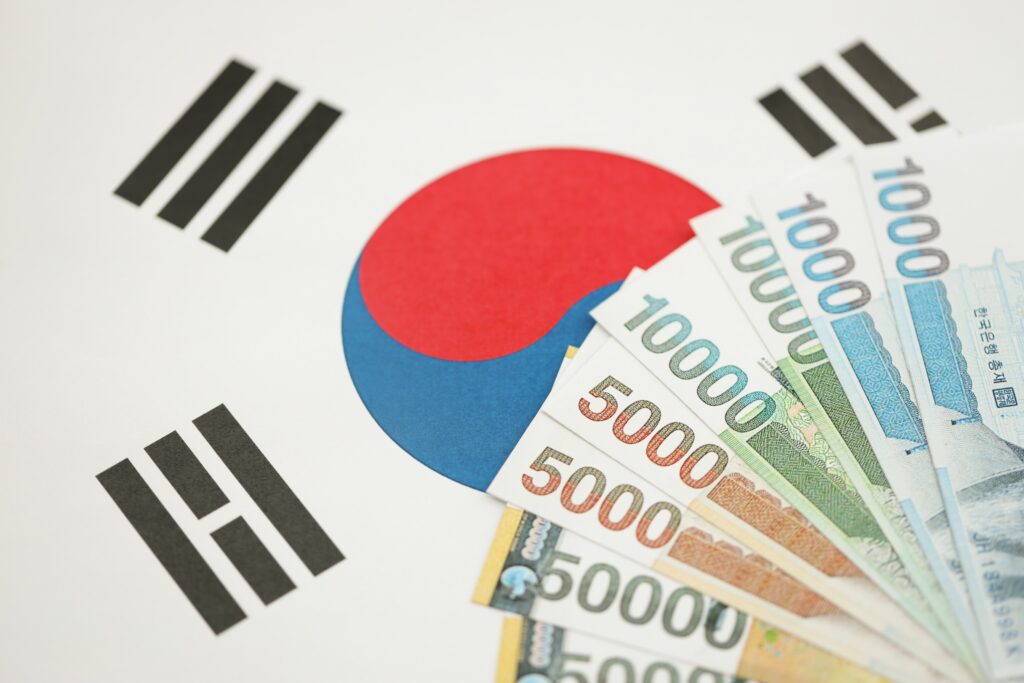
South Korea’s economy is barreling toward a “gray rhino”—a highly predictable yet perilous crisis—warned Lee Hye-hoon, the nominee to head the country’s newly established Ministry of Planning and Budget, as she outlined the structural and immediate pressures facing Asia’s fourth-largest economy.
In remarks to reporters on Dec. 29, Lee described South Korea as caught in a “perfect storm” of short-term strains—including stubborn inflation and a weak currency—while also facing slower-burning threats such as demographic decline, climate risk, widening inequality, technological disruption and regional depopulation.
“These are not black swans,” Lee said, referring to unforeseen shocks. “They are gray rhinos: risks that are highly visible, widely recognized and repeatedly warned about, yet ignored until they become catastrophic.”
The term “gray rhino,” coined by economist Michele Wucker in 2013, describes large, obvious dangers that are often neglected due to political or institutional inertia. Lee’s use of the framing signals her view that South Korea’s economic vulnerabilities are well understood but not yet meaningfully addressed.
Lee argued that the severity of these overlapping challenges explains why the government created the new ministry, which is designed to act as a strategic control tower for long-term national planning. “This is precisely the kind of moment when a ministry focused on long-term strategy is needed,” she said. “The role of the planning ministry is to design South Korea’s future, not merely to respond to immediate pressures.”
A central element of Lee’s approach is tighter integration between policy planning and budget allocation. She criticized reactive, annual budgeting cycles and called for spending to be driven by multiyear strategic goals.
“We need to move away from short-term, reactive budgeting,” Lee said. “Planning and budgeting must be linked so that public spending reflects a clear vision for the future.”
She emphasized that fiscal discipline and forward-looking investment should go hand in hand, promising to trim wasteful expenditures while boosting outlays in areas that support growth and household welfare. “Public funds must become investments in the future,” she said. “Those investments should, in turn, improve people’s lives, creating a virtuous cycle.”
Lee also pledged to reform budget governance by increasing transparency, decentralizing authority and encouraging public participation in fiscal decision-making.
When asked about President Lee Jae-myung’s expansionary fiscal stance, the nominee declined to elaborate, saying she would address the matter in a separate briefing.
The warning comes as South Korea grapples with mounting household debt, an aging population and heightened geopolitical uncertainty, underscoring the difficult balancing act awaiting the country’s next economic stewards.