Hyundai Motor Group, the South Korea–based automaker that sells vehicles in the United States under the Hyundai, Kia, and Genesis brands, has again claimed the largest number of top safety ratings in the country, underscoring how central safety has become in an American auto market increasingly shaped by family buyers, larger vehicles, and electric cars.
The latest results from the Insurance Institute for Highway Safety show that Hyundai Motor Group earned Top Safety Pick Plus or Top Safety Pick ratings for 21 models sold in the United States, more than any other automaker this year and for the second consecutive year. In the U.S., IIHS ratings are among the most closely watched benchmarks for car buyers, often carrying as much weight as price or fuel economy in purchase decisions.
The institute’s highest designation, Top Safety Pick Plus, is awarded to vehicles that perform at the strongest level across a battery of crashworthiness and crash-avoidance tests, including frontal and side impacts, roof strength, and the effectiveness of collision-prevention systems. Top Safety Pick reflects slightly lower but still demanding standards. These criteria apply only to vehicles available in the U.S. market, giving the results particular relevance for American consumers.
The group’s performance this year spanned its entire brand lineup. Eight Hyundai models, five Kia models, and five Genesis vehicles received the Top Safety Pick Plus rating, while three additional models earned Top Safety Pick. The list ranges from compact sedans to large sport-utility vehicles and luxury models, signaling that high safety performance is no longer confined to a single segment or price point.
The results also come at a moment when IIHS testing itself has become more stringent. In recent years, the institute has raised its standards in response to real-world crash patterns on U.S. roads, including an increase in severe accidents involving larger SUVs and electric vehicles, as well as higher-impact side collisions. While individual accidents do not directly affect a vehicle’s rating, those incidents have influenced how IIHS designs its tests, pushing manufacturers to meet tougher benchmarks for occupant protection and crash prevention.
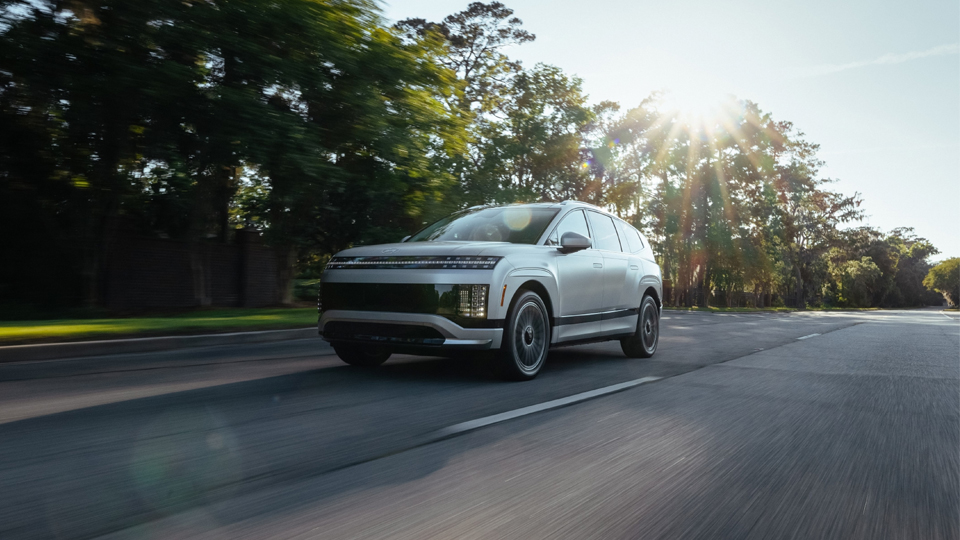
Electric vehicles figured prominently among this year’s top-rated models. Large electric SUVs such as the Hyundai Ioniq 9 and Kia EV9, both aimed squarely at American families, received the highest possible scores across every evaluation category. Their performance suggests that newer electric platforms are meeting, and in some cases exceeding, the reinforced safety standards that have emerged from years of accident data and regulatory scrutiny.
For Hyundai Motor Group, the outcome reflects more than a strong showing in a single year. It points to how the company has positioned safety as a core competitive strength in the United States, moving beyond its earlier reputation as a value-focused brand. As safety tests grow more demanding and buyers place greater trust in independent ratings, the group’s expanding presence at the top of IIHS rankings signals a broader shift in how automakers compete in one of the world’s most exacting car markets.