In the United States, a monthly rent of $5,000 occupies a clearly defined place in the housing market. Outside a small group of coastal cities, it is typically associated with large single-family homes, luxury condominiums or high-end urban apartments.
Even in New York, where housing costs are among the highest in the country, that price generally corresponds to a one-bedroom apartment in Manhattan or a newer building in select Brooklyn neighborhoods.
In South Korea, the same price is now appearing in locations where it would have been difficult to imagine just a few years ago.
Last month, an apartment in Chang-dong, a northern district of Seoul known more for aging public housing than luxury development, was leased for $5,000 a month with an additional deposit of $33,800.
The unit measured roughly 530 square feet. Comparable monthly rents have since been recorded across other outer Seoul districts, including Guro, Gwanak, Gangbuk, Nowon and Geumcheon, often paired with sizable upfront deposits.
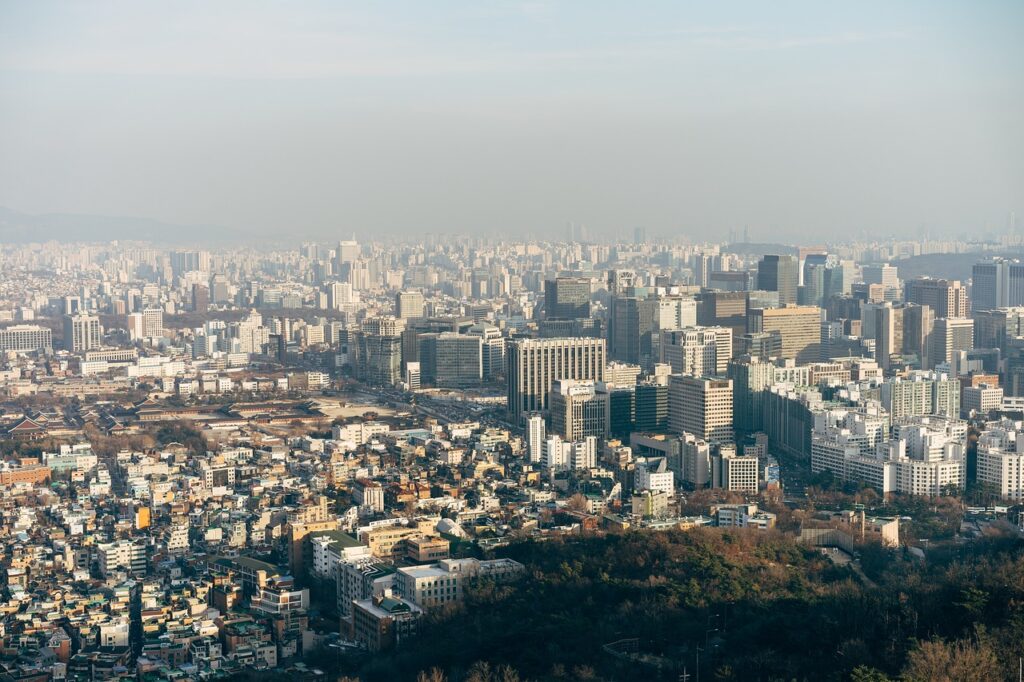
In American housing markets, high monthly rents are closely tied to geography. Premium prices tend to cluster in dense urban cores, employment centers or neighborhoods shaped by long-term supply constraints. Seoul’s recent transactions stand out not only for their size, but for their location. Prices associated with central districts are spreading into areas that function, in practical terms, as residential outskirts.
The shift reflects a structural transformation in South Korea’s rental system. For decades, the country relied heavily on jeonse, a distinctive lease arrangement in which tenants paid a large lump-sum deposit in place of monthly rent.
That system kept recurring housing costs relatively low, even as property prices climbed. That model has rapidly unraveled.
Court registry data show that nearly two-thirds of all rental contracts in Seoul this year were monthly leases, overtaking deposit-based agreements that once dominated the market.
Monthly rent has become the default, fundamentally altering how housing costs are distributed over time. Policy changes have played a central role. Tenant protection laws introduced in 2020 reduced the circulation of traditional deposit leases, while tighter lending rules have made it more difficult for renters to secure the financing needed for large upfront payments.
A series of rental fraud cases has further weakened confidence in locking away large sums of cash, accelerating the shift toward monthly payments. As the market has adjusted, prices have followed.
Seoul’s integrated monthly rent price index reached its highest level on record this fall, rising above pre-pandemic levels.
Apartments that once struggled to attract monthly tenants are now commanding rents that would not look out of place in high-cost American cities.
In the United States, the relationship between rent and location has long been understood. New York, San Francisco and a handful of other cities operate under pressures that do not apply to most of the country.
What is notable in Seoul is that similar pricing dynamics are emerging without the same geographic concentration. High rents are no longer confined to the city’s most affluent districts.