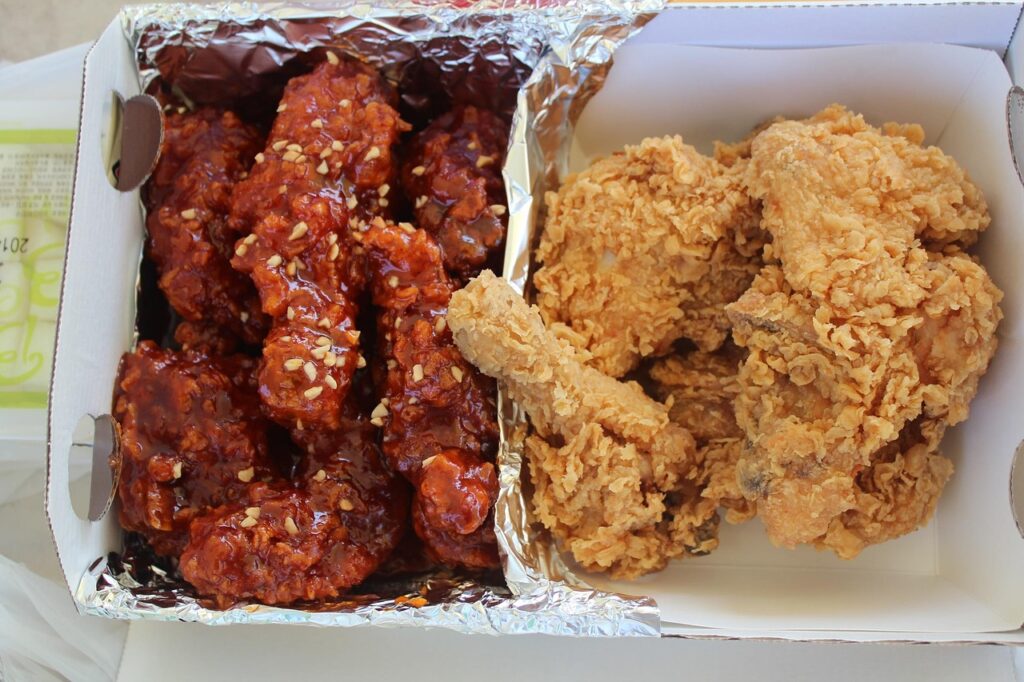
South Korea is moving to curb “shrinkflation” in one of its most franchise-driven food sectors, ordering fried-chicken chains to disclose the pre-cooking weight of their products—a direct intervention in a market where portion cuts have become a recurring flashpoint for consumers.
The mandate, which represents a more hands-on approach to price transparency than is typical in many countries, requires major chicken brands to display the weight of each menu item next to its price both in stores and on delivery apps.
Announced by the country’s antitrust regulator in coordination with the ministries overseeing food safety, agriculture and economic policy, the rule allows companies to list either grams or standardized size grades such as “No. 10 (2–2.3 lb).” The move follows public backlash against a major chain accused of quietly shrinking portions by altering cuts while keeping prices unchanged, effectively pushing up the per-pound cost.
Ten franchise groups, covering roughly 12,560 outlets—or about a quarter of all chicken restaurants nationwide—fall under the requirement. Regulators will begin inspections on Dec. 15, with a grace period through June during which violations will prompt guidance rather than penalties. Repeat violations after that may trigger corrective orders or temporary business suspensions.
Officials are also urging brands to voluntarily disclose portion changes when unit prices rise, such as noting a shift from 1.4 lb to 1.2 lb for boneless combinations. Because these disclosures remain optional, the government is bolstering external oversight.
A national consumer coalition will receive state funding to purchase products across major chains, compare posted versus actual weights, publish results and run an online reporting portal for suspected shrinkflation. Verified cases will be referred to either the antitrust regulator or the food-safety authority.
South Korea is tightening scrutiny of packaged foods as well. The Korea Consumer Agency already examines whether manufacturers reduce volume by more than 5% while effectively raising unit prices and requires them to notify consumers for at least three months. Starting next year, authorities may impose temporary production suspensions for items whose changes are not properly disclosed.
Regulators say the initiative addresses a long-standing gap: restaurant-sector portions have never been subject to mandated transparency, even in highly standardized categories such as fried chicken. With shrinkflation becoming a persistent concern globally, South Korea is positioning itself among the few markets applying direct regulatory pressure to blunt the practice.
Officials concede the limits. Consumers who do not track unit pricing may still overlook changes, and some recipe revisions complicate efforts to distinguish normal product updates from shrinkflation. Even so, authorities expect the new rules to establish clearer transparency standards across thousands of mostly small franchise outlets.