Hyundai Motor Group Executive Chair Chung Euisun said the company expects a more stable operating environment in the United States starting in 2026, following an agreement between Washington and Seoul that clarifies how tariffs on Korea-built vehicles will be applied.
Speaking at a business roundtable in Abu Dhabi, Chung said the formalized timeline gives the automaker greater visibility as it plans production, shipments, and pricing for the U.S. market.
The tariff adjustment will be applied retroactively from Nov. 1, a detail Chung described as critical for forecasting costs and coordinating exports from South Korean plants.
Even a one-month shift, he noted, has an impact on production scheduling and the logistics pipeline for vehicles headed to U.S. dealerships. The effective date is tied to when related legislation is submitted in South Korea, which is expected to occur within November.
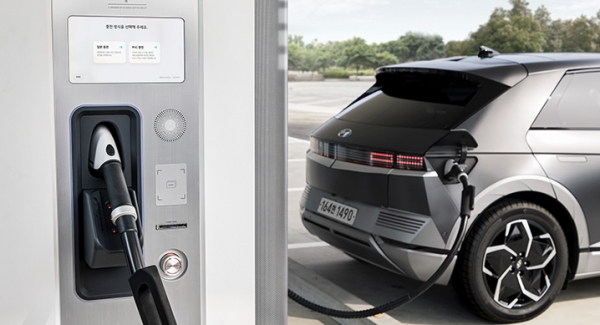
The United States remains among the group’s most important overseas markets, supported by a mix of local manufacturing and imports from Korea.
Because tariffs directly affect the pricing of imported models, regulatory clarity plays a central role in Hyundai’s supply-chain allocation and market strategy.
With the timeline settled, Hyundai expects improved operational consistency heading into 2026 as it aligns shipping plans and expands its U.S. manufacturing footprint.
The clarified tariff rules, Chung said, provide the transparency needed to support smoother operations and more predictable market conditions next year.