South Korea’s decision to build its own nuclear-powered submarines marks another sign that U.S. allies in Asia are taking on more of their own defense amid growing regional threats.
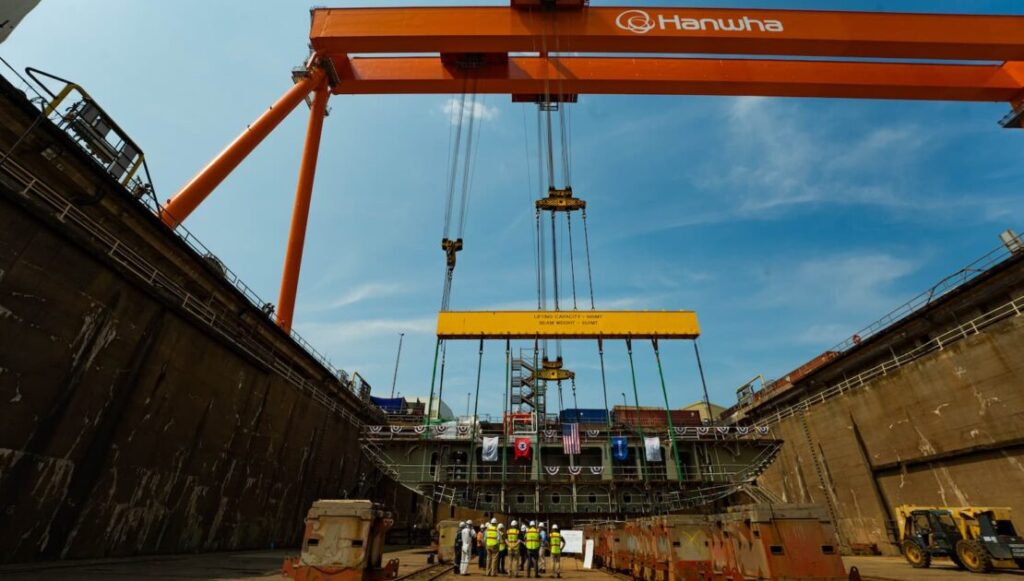
South Korea’s National Security Adviser Wi Sung-lac said this week that Seoul abandoned the idea of investing in the Philadelphia Naval Shipyard, calling the plan “unrealistic.” The shipyard, a historic U.S. Navy facility, was floated as a potential site for submarine production but proved too costly and politically complicated. Wi added that asking General Dynamics to build the vessels was also not feasible.
Instead, South Korea will design and construct the submarines domestically. The move reflects both practical constraints—U.S. defense exports and infrastructure are tightly controlled—and Seoul’s growing confidence in its own industrial and military capabilities.
For Washington, the shift is part of a broader trend. As the United States balances commitments in Europe and the Indo-Pacific, partners such as Japan, Australia, and now South Korea are investing in self-reliance to share the regional security burden.
Wi said the new vessels would be smaller and cheaper than the U.S. Navy’s Virginia-class submarines but suited to Korea’s immediate security environment. The focus, he said, is cost efficiency rather than prestige.
While the plan won’t fundamentally alter the U.S.–South Korea alliance, it underscores a quiet recalibration underway: American allies are still looking to Washington for deterrence—but increasingly, they’re preparing to stand more firmly on their own.