South Korea’s Jeju Island is set to export its locally raised beef and pork to Singapore, a modest trade deal on paper but one that carries strategic weight in Asia’s tightly regulated food markets.
The agreement, finalized during the 2025 APEC summit in Gyeongju between South Korean President Lee Jae-myung and Singaporean Prime Minister Lawrence Wong, makes Jeju the only region in South Korea cleared to ship livestock products to Singapore.
For an island best known to Americans as a tourist destination, the move signals South Korea’s intent to expand its agricultural exports and compete in premium protein markets long dominated by Australia and the United States.
Singapore is among the world’s strictest countries on food safety. Its approval process requires suppliers to come from foot-and-mouth disease-free regions certified by the World Organisation for Animal Health, a status Jeju achieved earlier this year.
Only four facilities on the island met the standards for slaughtering, processing, and hygiene, earning final approval from Singapore’s food agency after on-site inspections.
The deal will not alter global meat trade volumes, but it underscores South Korea’s growing ambition to brand its livestock products as high-end, traceable, and safe — qualities increasingly sought by Southeast Asia’s rising middle class. For Singapore, it adds another trusted supplier in a region where food security has become a national priority.
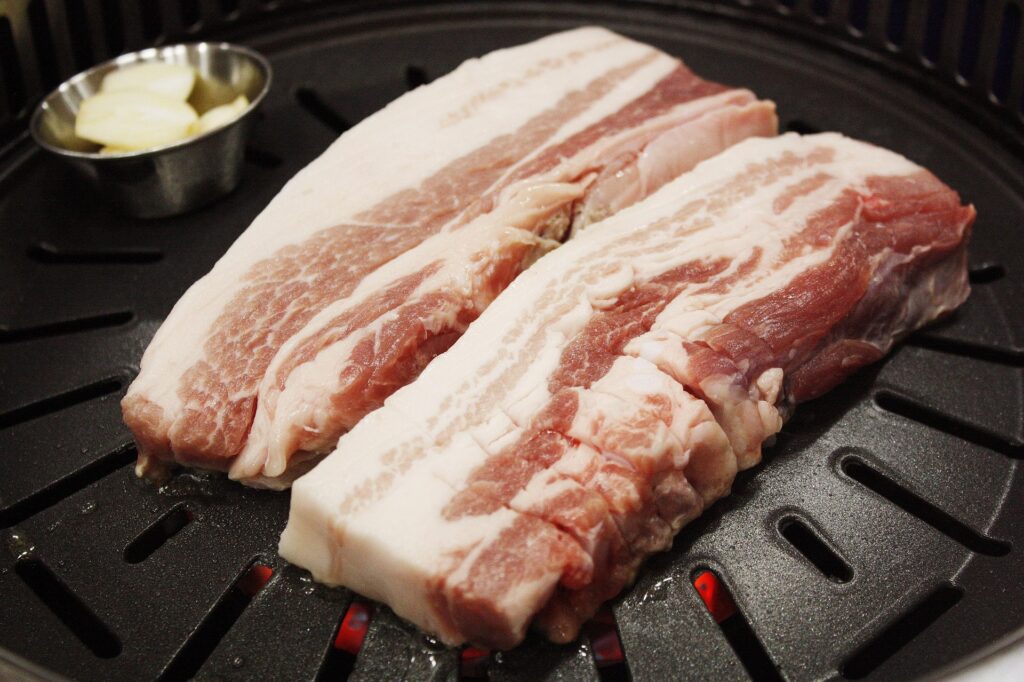
The move also builds on the global popularity of K-food, from samgyeopsal grilled pork belly to soju, as South Korea looks to turn its culinary culture into an export strategy that goes beyond pop culture and entertainment.