







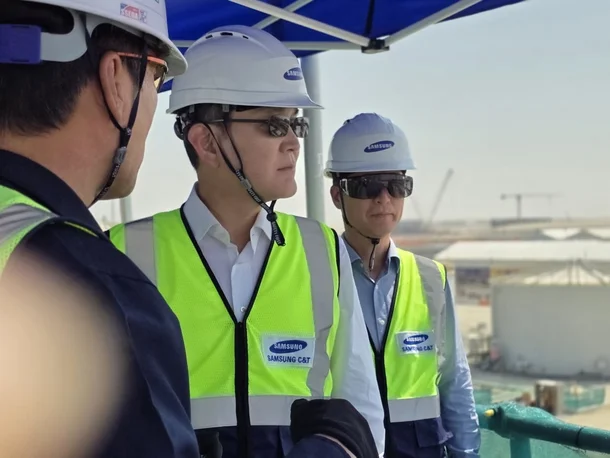
Samsung Chairman Lee Jae-yong Visits UAE Power Project as Group Eyes AI Infrastructure Growth
Samsung Electronics Chairman Lee Jae-yong is stepping up the South Korean conglomerate’s focus on energy infrastructure and artificial







Samsung Electronics Chairman Lee Jae-yong is stepping up the South Korean conglomerate’s focus on energy infrastructure and artificial

South Korea is seeing a sharp increase in home purchases by minors, raising questions about family wealth transfers

Artificial intelligence has uncovered critical security flaws in software powering much of the internet, triggering emergency responses worldwide.
South Korea’s major commercial banks are sharply reducing entry-level recruitment even as profits and employee pay climb, signaling

(Photo=Pixabay) South Korea has become one of the world's hottest travel destinations, riding a wave of international enthusiasm for its music, television shows and food. Foreign visitors are arriving in record numbers and spending billions of dollars. Yet behind the boom, complaints about excessive charges, poor service and inadequate facilities are exposing weaknesses in the country's tourism industry. An American
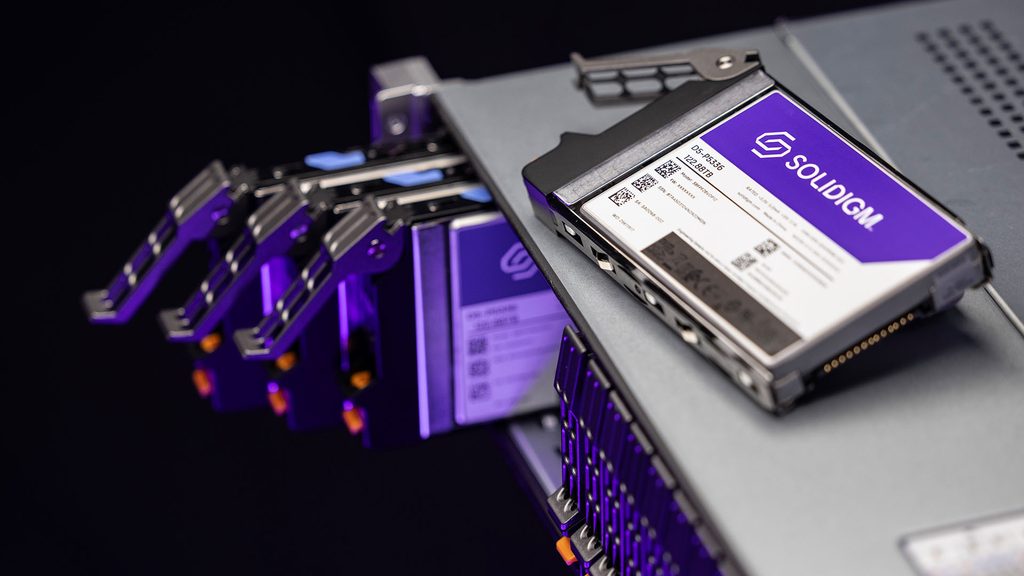
(Photo=Solidigm) An American semiconductor company may need billions of dollars to expand manufacturing in the United States as Washington tightens restrictions on chip production in China. But its potential route to raising that money through a U.S. stock market listing is encountering resistance from regulators and shareholders in South Korea. The company is Solidigm, the American memory chip business controlled

Photo=Google Google is expanding its reach in South Korea’s digital mapping market, a shift that could intensify competition for location-based searches, navigation and travel services in one of the world’s most digitally connected economies. For U.S. technology companies and investors, the growth offers a sign that Google’s global mapping platform is gaining traction even in markets where local rivals benefit

Photo=Motionelements South Korea’s growing pile of dormant financial accounts highlights a persistent challenge for banks and financial institutions: returning unclaimed money to customers while managing an expanding base of inactive accounts. For U.S. financial firms and investors watching Asian banking markets, the trend underscores the operational costs of customer disengagement and the importance of effective account-management and asset-recovery systems. The

Photo=HD Hyundai The global market for conventional submarines is creating new opportunities for defense contractors as governments seek to rebuild naval capabilities and diversify suppliers. South Korea’s push into Latin America could open a new front in competition with European shipbuilders, offering potential opportunities for U.S. defense investors and suppliers that track international naval procurement, technology partnerships and the expansion